Tuesday, April 23, 2013

Wine Region- Champagne


Throughout the world and history there are hundreds of different wine regions around the world. In the old world, there are even multiple wine regions within each country of Europe. France alone has approximately 14 major wine regions. Within these major regions, the region Champagne has become an extremely well known wine region, even for the non wine drinkers. 

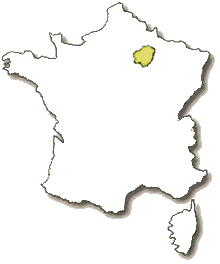
Located in the north eastern part of France, the Champagne region covers a pretty large area of land. The location can be seen in the map of France below, as well as a more zoomed out map of Europe.


It is obvious that the Champagne region is very large, and therefore is broken down in several sub-regions. These four major sub-regions consist of The Mountain of Reims, The Marne Valley, The Cote des Blancs, and The Cotes des Bars and Montgueux.  These regions can be seen in this zoomed in map of just the Champagne region itself below.  Geographically, Champagne is actually relatively pretty close to the city of Paris; just 90 minutes northeast of the city. 


Historically, Champagne has been an official wine region since 1927, when the first appellation of Champagne was created. However, this region has a history of growing wine since the third century A.D.  This region has been comprised of approximately 43,680 acres of vineyards.  Today , there are over 20,000 growers throughout the region. Champagne in the United States has become the famous sparkling wine that everyone makes a toast to and drinks on New Year’s Eve. However, the bubbles and sparkling aspect of the wine was not originally intentional. It was only discovered when the popping of the bottle opening occurred, and a process of making Champagne because intentional to create the bubbles. Today, the correct amount of CO2, fruit, and acidity are what makes Champagne a good Champagne.
Champagne historically became an official region in 1927 when the Champagne Appellation of Controlled Origin (AOC) came about. This government-sponsored control agency protects the reputation of Champagne only allowing wines that come from the specified region, maintaining the high standard of quality and fermentation process, to be called Champagne. This basically protects the historical name of Champagne, and keeps anyone from outside the region to replicate it. In addition, the Comite Interprofessionnel du Vin de Champagne (CIVC) helps regulate the production of Champagne as well as distribution, promotion, and research of Champange. Below are two pictures of different Champagne labels, that must meet all of these government agency requirements in order for Champagne to be used on the label.


There are three main grape varieties that contribute to Champagne. These include Pinot Nior, Pinot Meunier, and Chardonnay. With these wine varieties, there are three major different types of Champagne as well. The first is non vintage/multiple vintage Champagne wine that consists of a blend of two or more harvests. Second is a Vintage Champagne that comes solely from a single vintage. Lastly is  “Prestige” cuvee, which consists of only one vintage, however it has longer aging requirements.  This type usually is more highly rated out of all three Champagne types. This is because “Prestige” cuvee Champagnes are made from the best and first pressing of the grapes, aged longer in the bottle, and made solely from vintage years. Lastly there is not as much of this type of wine produce, therefore it creates a higher demand for this wine.

Lastly, in order to even be able to create these different types of Champagne, there is a reason of wine Champagne is the way it is and that the region is located where it is as well. Climate and soil play a huge role in the creation of Champagne. First of all, the Champagne region is relatively north from the equator compared to other wine regions throughout the world. Because of the slightly northern climate, the grapes picked for Champagne usually have a higher acidity than other grapes. The soil here is known to be chalky. This soil mixed with a climate of random sunshine, harsh climate, and shorter growing season, is what makes Champagne the way it is. The four different sub regions mentioned early also all bring slightly different soil characteristics and climate to the Champagne region as well. This is slightly because of the Marne River that runs through the middle of the region. Below are examples of two different pictures of vineyards throughout the Champagne region. 


Lastly Champagne has very unique characteristics that make the wine from this region stand out compared to the others. For example, probably the most obvious is that it is a sparkling wine that requires a specific bottle cork.  It is famous for popping the cork and letting the bubbles explode out of the bottle. However there are methods of opening the bottle in order to avoid this. Champagne also has a specific type of glass wear including the flute and the tulip shaped glass, in order to keep the bubbles in the glass longer.


WORKS CITED


"Champagne Map Wine Region." Champagne Map Wine Region. N.p., n.d. Web. 23 Apr. 2013.             <http://www.terroir-france.com/wine/champagne_map.htm>.


"Champagne Region « Wine Origins." Champagne Region « Wine Origins. N.p., n.d. Web. 23 Apr. 2013. <http://www.wineorigins.com/?page_id=44>.
 
Zraly, Kevin. Kevin Zraly's Windows on the World Complete Wine Course. New York: Sterling, 2012. Print.


Sunday, April 21, 2013

Dinner- Zeppoli's (Wines You Might Not Know)

On Sunday April, 7th at 8:15pm Zeppoli's Italian Restaurant and Wine Shop had a wine and food paring dinner for $15. The theme of the dinner was "Wines You Might Not Know", presented by Matthew Burch of Zeppoli's.
The first half of the dinner consisted of white wines, paired with appetizers. Below is a picture of all of the food that was served buffet style. It consisted of various types of cheese with crackers, bread and oil, ceasar salad, cheese croissants and sausage croissants, pita bread, carrots, and celery with humus, and talapia fish with lemon and onions,
Wine #1:
Name: Sau-Rus Gruner Veltliner Austria
Variety: 100% Gruner Veltliner
Price: $8.99
Country: Austria

Winery Review: Crisp lime flavors, white pepper and lentils, followed by a mouthful of mineral notes and gooseberry.A long lingering finish. A great accompaniment to any Asian or fresh seafood dishes.

My Review:  This white wine poured out bubbly but then flattened out. It smelled fruity like pears and apple juice. Matthew said they call this the pig wine because of the picture on the bottle of the wine is like a pig nose. It did not taste as sweet as it smells, however it did taste bubbly. I tried it with cheese and crackers. It made the cheese flavor stronger, and I really liked how the cheese tasted with this wine. I would definitely drink this again with the same food pairing.

Wine #2
Name: Meinklang Burgenland White 2011
Variety: 80% Gruner Veltliner & 20% Muscat
Price: $11.99
Country: Austria

Winery Review: This biodynamic white wine is a glend of 80% Gruner Veltliner and 20% Muscat, both indigenous to Austria. It bursts with lively minerality and citrus fruits on the palate, complimented by notes of apple and a dash of pepper. A great match for white meats, seafood or salad! Bright and crisp with hints of citrus. Great with seafood, salads and soft cheeses

My Review: This wine had an olive oil yellow color to it. It had a nose of tree branches and pears. It tasted like white grape juice with a little more tang. I tasted this wine with cheddar cheese and I liked the wine much more once I had the cheese with it. This wine is an organic wine and is nick-named the "cow wine" because of the cover on the bottle. Everyone at the dinner liked the first wine compared to the second Austrian wine, and I agree with this.

Wine #3
Name: Michel Picard 2011 Vouvray Loire Vally France
Variety: Chenin Blanc
Price: $11.99
Country: France

Winery Review: Alcohol 11.5% Off-dry in sweetness, this Chenin Blanc has freshness on the palate with hints of apricot and stone fruit. Its hint of sweetness is counter balanced by a high level of acidity making this a wine that is round and fresh easy to drink now or a wine that can age well. Pairs well with pork, salads, fish, vegetables, chicken or seafood.

My Review: Matthew informed us that this wine goes really well with raw oysters, and is becoming more and more popular. I did not think this wine smelled that sweet, and there was a slight flower nose. It tasted sweet, but not too sweet, which is just the way I like it. It also had hints of apples. I tried it with the talapia with lemon and it paired really well. I liked the after taste of the wine with the fish better than the actual taste of the wine. My friend and I liked this wine so much that we ended up buying the last two bottles of this wine for us to take home!

Wine #4
Name: Case Ibidini 2010 Insolia IGT Sicily
Variety: Insolia
Price: $11.99
Country: Sicily

Winery Review: Alcohol 12% 88pts. Case Ibidinia is the second label of Valle Dell'Acate. The wines are made from vineyards on the valley floor and aged in stainless steel. The 2010 Insolia is a crisp, floral, refreshing white best suited to near-term drinking. The mid-weight white offers gorgeous balance and class at this level.

My Review: I remembered this wine particularly because it had an orange cork. The wine itself was a light yellor in color. It smelled fruity with a faint fruit punch smell as well. I really like hoe it tasted light, however it was a little more dry than I thought it would be. I thought it was the perfect mix between sweet and dry. I had bread with olive oil and I thought it was an okay pairing with the wine. It did not really affect the taste of the food or the wine.

Wine #5
Name: Serie Terra 2010 Sparkling Malbec Mendoza Argentia
Variety: Malbec and Mendoza
Price: $14.99
Country: Argentina

Winery Review: Alcohol 12.9% intense red color with violet shades. It offers a rich and intense aroma of red fruits such as cherry, cranberry and plum. Good equilibrium between sugar and acidity. Malbec tannins enhance structure and complexity.

My Review: When the bottle was poured it poured extremely bubbly. I looked like watered down cranberry juice. It had a nose of raspberries, apples, strawberries, and wild berries. It tasted very bubble and dry at first and then sweet after the taste of raspberry kicked in. I could not drink a lot of this wine. This wine made the cheese and bread taste better but it did not make the wine taste any better.

Below is a picture of my friend Kayla and I who are both in the Geography of Wine class together.

The second half of the dinner consisted of tasting red wines. For the red wine a delicious pasta dish, with red sauce, green peppers, onions, and beef, with think linguini noodles, was brought out with the other food. Below is a picture of my plate with the pasta at the bottom.
Wine #6
Name: Campos De Luz Garnacha Old Vine
Variety: Garnacha
Price: $8.99

Winery Review: 86 Points by Robert Parke's The Wine Advocate. A fleshy red berried nose is to be expected form old Garnacha vines. These are between 25-80 years old, bush trained and 100% handpicked, Estate fruit. Carinena means field of light and the fruit-forward warmth of this region near Catalonia is evident as it is also balanced with mineral acidity. This wine is plump, heavy with ripe red currants and wild berried. It will go nicely with pork shoulder in a tart, spicy braise.

My Review: When the wine was poured there were some bubbles around the ring of the glass. It looks like communion red when I was little in church. It had a nose of pepper with hints of berries. I tried this wine with the sausage cheese croissant and it made the sausage taste super spicy and peppery. I really like spicy food, so I liked this combination a lot. Without the food pairing it tastes a lot more sweet than spicy, and it goes down smooth. I liked this wine and would consider drinking it again.

Wine #7
Name: Riebeek 2010 Cabernet Sauvignon Swartland South Africa
Variety: Cabernet Sauvignon
Price: $7.99
Region: South Africa

Winery Review: Alcohol 14% Mad from 85% Cabernet Sauvingnon, and 15% Shiraz. An exciting new world style wine with upfront black currant flavors. The black fruit is well-balanced with subtle French oak for a complex nose and an elegant and lingering follow-through. An exceptional example of a lighter style Cabernet Sauvignon that can be enjoyed young. Excellent with red meet dishes or veal.

My Review: This wine had a very dark cranberry red color. It smelled like chocolate covered cherries with hints of cheddar cheese. It also had a peppery nose as well. It went down very smooth and was not super sweet or dry. It also tasted peppery like it smelled. I tasted this wine with the beef, red sauce pasta and I thought it went extremely well together. I then tasted it with cheddar cheese and it takes away from the cheese but goes down even smoother.

Wine #8
Name: Comain de Fontsainte 2009 Corbieres France
Variety: Carignan, Grenache, and Syrah
Price: $12.99
Country: France

Winery Review: Alcohol 13% "An attractive blend of 60% Carignan, 30% Grenache and 10% syrah exhibiting lots of lovely, spicey, red and black fruit notes intermixed with notion of roasted herbs, new saddle leather and a forestry/earthy component that adds and intriguing, wild Mediterranean sort of character. Drink it over the 2-3 years." Score: 88. - Robert Parke, February 2012.

 My Review: This wine had a dark red color when poured. It had a nose of pepper and raspberry. It did not taste very dry and it took away the spiciness of the pasta when I paired that food with the wine. I thought it paired very well with the pasta. I remember this wine specifically because I broke my fork while trying to eat the beef in the pasta while tasting this wine.

Wine #9
Name: Cantele 2008 Salice Salentino Riserva Puglia Italy
Variety: Negroamaro & Malvasia Nera
Price $11.99
Country: Italy

Winery Review: Alcohol 13% Carmelized red fruits and juicy dark fruits, with a layering of tobacco spice and earth, all balance by smooth tannins and a refreshing acidity. This is a complex, easy-drinking, versatile red for a bargain bottle price. 85% Negroamaro, 15% Malvasia Nera. Only one of 14 wines in the Puglia region deemed the prestigious 3 glass award.

My Review: We tasted this wine in the following three ways:

Taste #1: First we tasted the wine just from the bottle. It had a very sharp and spicy nose. It went down a lot smoother than I thought it would, but had a dry after taste. This wine made the pasta taste awesome! The pasta brought out the spice in the wine.

Taste #2: Second we tasted the wine that had been through and aerator. The nose was more rich with more pepper and now more of a chocolate covered cherry smell as well. It was more dry right away when it hit my mouth. It was more hotter as well. It acted the same way with the pasta as it did for the first tasting.

Taste #3: Lastly we tasted this wine after it had been in the decant for 2 hours. It still smelled peppery but was not as rich. However it had even more of a chocolate covered cherry nose. This time it went down more smooth than the second tasting, however the flavors tasted the same. Overall I liked the second tasting the best.

Below is a picture of a few of the wines that I had tasted and described throughout the entire wine blog.

Below is a picture of me drinking the wine at Zeppoli's, and then another picture of more wine bottles. We were allowed to drink more wine for a little after we had finished our dinner. We got to meet everyone at the dinner that we did not get to during, which made the event a lot more fun. It is obvious everyone was willing to talk after people drink wine and got some alcohol in them. Overall I had a lot of fun, and it was definitely worth my $15. I would definitely recommend other students to do this dinner.


Tasting- Ksana Bonarda

Name: Ksana Bonarda
Variety: Bondarda
Region: Mendoza
Country: Argentina
Year: 2008
Price: $9.95
   
Winery review:  The bouquet is floral and lightly jammy, with berry aromas and a savory note or two. To the uninitiated, this is a great introduction to Bonarda. Finishes solid. Very sweet, berry smell with some rooty undertones. Kind of dry, makes your lips pucker.(04/18/2013- Vintage Cellar, Blacksburg, VA)

My review:This red wine smells like flowers and vegetables and dirt. I do not like how this wine smells at all. It tasets very smooth and semi dry. It also tasted hot and hints of darker berries. I did not have any food with this wine tasting.

Tasting- Concannon Shiraz

Name: Concannon Shiraz
Variety: Shiraz
Region: Central Coast California
Country: USA
Year: 2008
Price: $7.95
   
Winery review:  This is an extremely rich, full-bodied wine with a dark fruit core. Aromas of blackberry, blueberry, cassis and dark cherry are followed by more berry fruits adn chocolate and mocha on the palate. (04/18/2013- Vintage Cellar, Blacksburg, VA)

My review:This red wine  smelled absolutely horrible. It smelled like rotten vegetables and pepper. It had hints of dark fruit when I tasted it, and it was not super dry. I did not like this wine at all. I also did not have any food with this wine tasting.

Tasting- Chandon Sweet Cuvee

Name: Chandon Sweet Cuvee
Variety: Cuvee
Region: California
Country: USA
Year: NV
Price: $9.95
   
Winery review:  This wine is an innovative sparkling wine style revealing vibrant stone fruit and floral aromas with rich, luscious mouth feel. This wine enlivens the senses and sparks spontaneous moment, complementing your passion for a good life.(04/18/2013- Vintage Cellar, Blacksburg, VA)

My review:This sparkling wine poured very bubbly. It was a very light orange in color. It had a nose of flowers, and slight pepper. It tasted bubbly, and like raspberries. I really liked this wine, because it reminded me of a mimosa with cranberry juice instead of orange juice.

Tasting- Black Ridge White Zinfandel


Name: Black Ridge White Zinfandel
Variety: Zinfandel
Region: California
Country: USA
Year: NV
Price: $3.95
   
Winery review:  This fruit forward White Zinfandel displays fresh aromas and crisp flavors of strawberry, raspberry, and cherry. It is incredibly food friendly and will pair well with burgers, sandwiches, fruit salad, and more.(04/18/2013- Vintage Cellar, Blacksburg, VA)

My review:This wine had a pink with a tint of burnt orange color. It had a nose of white chocolate with cherries, that I thought smelled more like a red wine. It tasted very sweet and light like watered down strawberries. I did not have any food with this wine tasting.